
Reach out today to Ridgeline Recovery — and take the first step toward a future you don’t need to escape from. 🚨 And if you’re feeling overwhelmed, reach out to a local expert at Ridgeline Recovery. It’s not about forcing — it’s about creating a moment of clarity. And most importantly, don’t try why do people become alcoholics to fix everything yourself. Start with our full range of Addiction Recovery tools — built to guide individuals at every stage of the journey.
- As people develop alcohol dependence, they normally experience urges or cravings for alcohol.
- In addition to ongoing mental health support, enhancing an individual’s “recovery resources” is also important.
- A person with a blood alcohol concentration between 0.35 and 0.50 percent can fall into a coma.
Risk factors
- These include drinking when young, having a family history of alcohol use, environmental factors and having experienced trauma.
- And when there’s no one to talk to, alcohol becomes the friend that never leaves.
Alcohol consumption was also linked to a greater risk for stroke, coronary disease, heart failure, and fatally high blood pressure. However, it’s difficult to discern if drinking was the primary problem, or whether lifestyle choices such as diet and exercise influenced health outcomes as well. Before it becomes problematic, why do people turn to alcohol in the first place? One is simply its rewarding consequences, such as having fun or escaping social anxiety.
How Alcoholism Works
- While there’s no single “cure” for alcoholism, it is a highly treatable chronic disease that can be managed effectively with the right lifelong treatment and support.
- The emotional pain can drive individuals to seek escape through drinking.
- Today, we’re going to cover 10 common causes of alcoholism.
- Those with depressive symptoms may turn to alcohol for temporary relief.
These alcohol statistics also show that 60% of people in alcohol addiction treatment also need mental health treatment for co-occurring conditions. Another common interaction is between psychological and social factors. The self-medication hypothesis states that there’s an underlying cause for substance use. Social stressors such as financial strain, the absence of meaningful social relationships, and traumatic experiences can lead to substance use as a coping mechanism.

Emotional States or Emotional Stressors can Induce Alcohol Abuse and Alcoholism
As anyone who has had even a glass of wine can attest, alcohol can have a noticeable influence on mood. Drinking releases endorphins which can https://marthaskincare.com/2021/04/05/anxiety-after-drinking-can-drinking-cause/ lead people to feel happy, energized, and excited. But alcohol is also classified as a depressant and can cause fatigue, restlessness, and depression. It may shift from stimulant to sedative in line with whether blood alcohol content is rising or falling. Given the power of alcohol on the brain, people who drink heavily may come to rely on it to regulate their mood. Heavy drinking can fuel changes in the brain—about half of people who meet the criteria for alcoholism show problems with thinking or memory, research suggests.
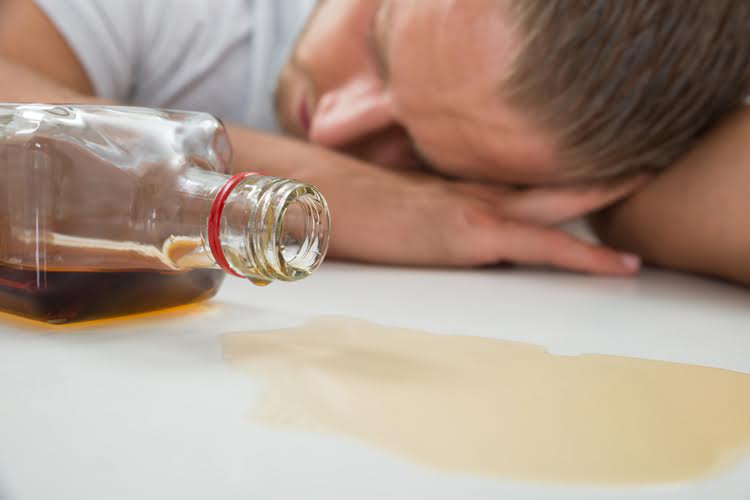
Alcoholism, or alcohol use disorder (AUD), is a condition that is characterized by an impaired ability to quit or cut back on drinking despite adverse effects. Medical practitioners diagnose AUD and the severity of the condition using criteria from the DSM-5. The severity ranges from mild to severe with mild meeting 2 to 3 criteria, moderate meeting 4 to 5, and severe meeting 6 or more.
The number of drinks and the frequency of drinking steadily increase. Alcohol disorders develop when a person’s drinking habits cause chemical changes in their brain. The progression into a full addiction is usually gradual and withdrawal from alcohol can produce physical symptoms. Not everyone who drinks alcohol heavily is considered an alcoholic. Although they use alcohol in an unhealthy way, people who suffer from alcohol abuse do not necessarily develop a physical Alcoholics Anonymous dependence upon alcohol. Social and environmental factors play a powerful role in why people become addicted to alcohol.